What the forest taught me about building homes — and about leading
From the cabruca to the building site, Clarice Maxado shares what the forest teaches about planning sustainable homes and about leading teams that each grow in their own time.
People who drive past the cocoa farms of southern Bahia do not always realize they are inside a forest. In the cabruca system, cocoa grows in the shade of centuries-old jequitibá and ipê trees. Nobody cut down the forest to plant: people learned to produce with it. To me, that is the best definition of a sustainable home there is.
For more than 20 years I worked in communication, design and photography, helping projects take shape and endure in the world. When I came to construction, I found an industry that usually starts with concrete. I wanted to start by listening.
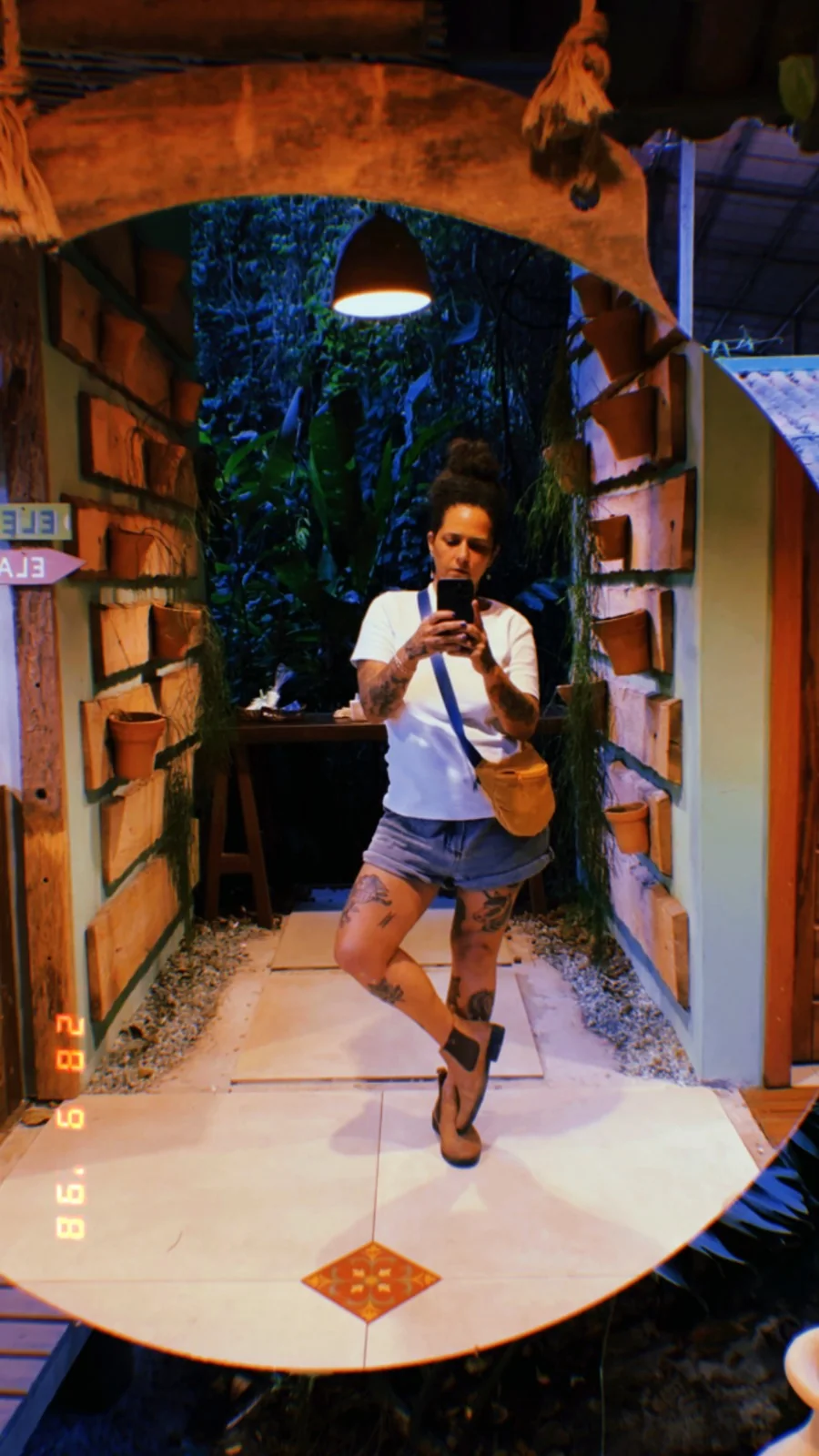
At BioConstrutora, the area I lead is called Intelligence. It brings together everything that happens before and after the building site: welcoming the people who come to us, the design, the contract, the planning, the interior design, the relationship with suppliers. It is the part of the build that never shows up in the photo, but it decides whether the home will turn out right.
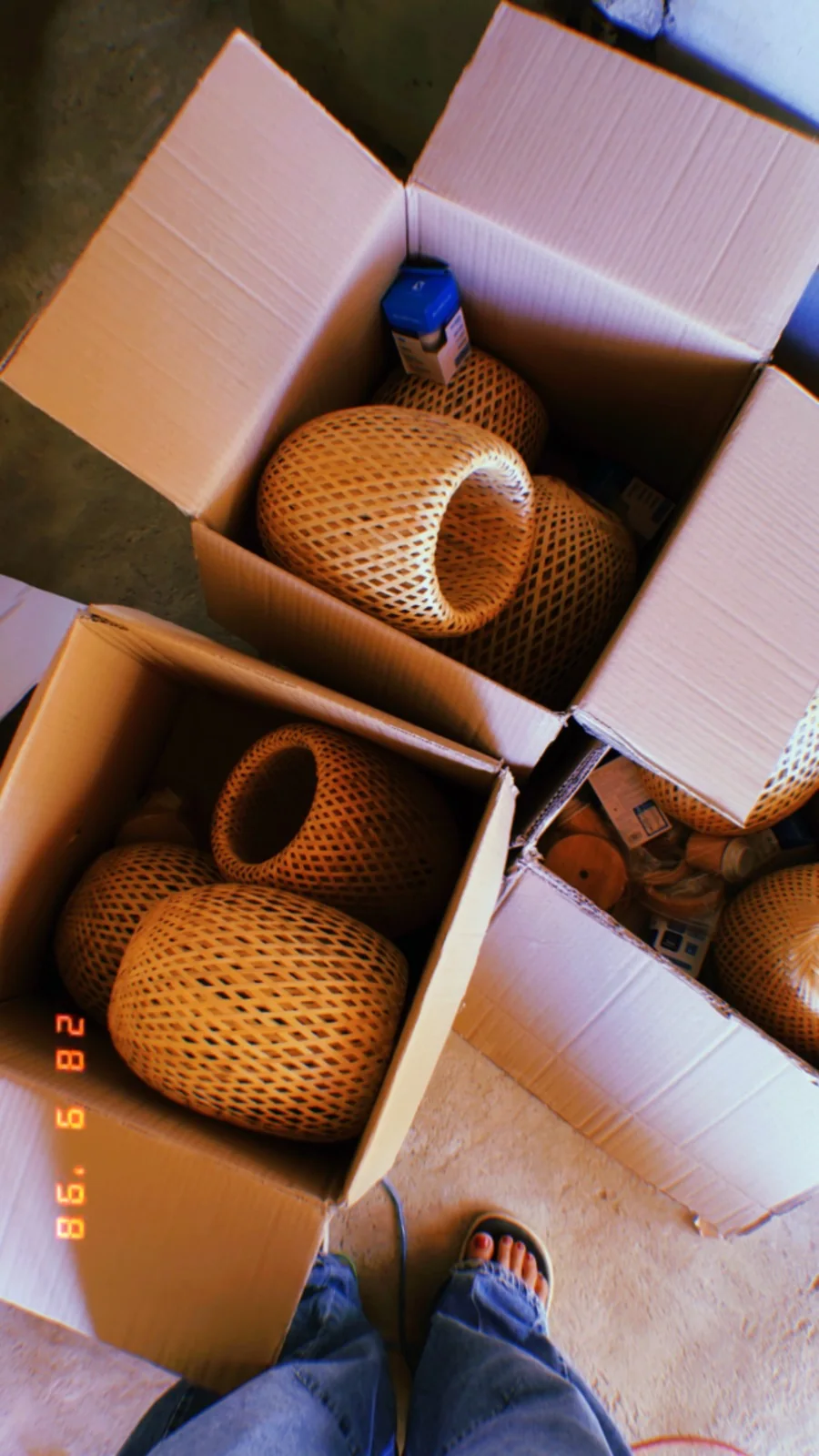
I learned that sustainability is not a material. It is a way of making decisions. A house made of certified wood can be unsustainable if the budget overruns, if the family falls into debt or if the land is not properly registered. That is why we treat planning with the same care we give a tree: we assess before we intervene.
The forest also taught me about leadership. A healthy forest does not have one tree in charge of all the others. It has layers that hold each other up: the tall canopies cast shade, the smaller trees grow sheltered, the roots exchange nutrients in silence. To me, that is what leadership is: creating the conditions for each team — from masonry to agroforestry — to grow in its own time and in its own place.
It is not a common path. In 2025, women filled just over 13% of the new formal jobs in construction in Brazil. In leadership roles, their presence is even smaller. I am often the only woman in the conversation about a build. That stopped intimidating me when I realized that the perspective I bring — of someone who looks after the whole process, not just the delivery — is exactly what the industry needs.
Nor is this an ordinary moment. In 2025, Bahia was the state that lost the most Atlantic Forest in Brazil. Every plot cleared without care is a piece of forest that does not come back. Building here demands twice the responsibility.
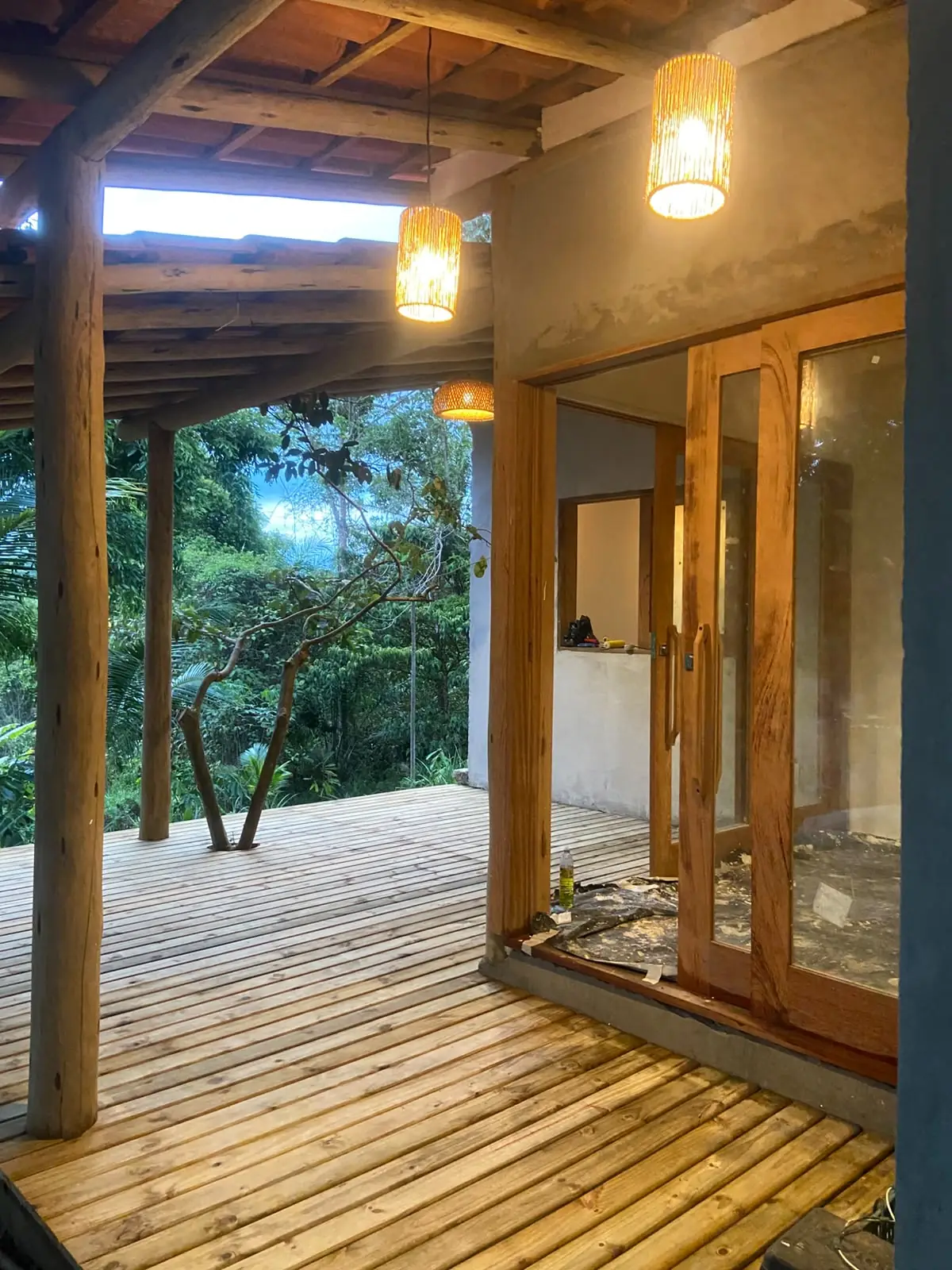
One example of what we believe in is the Casa na Árvore (Tree House) project, which was born within our team. It studies how to live up high without harming the tree that holds the house. In one of the designs, the tree bears no load at all: the house rests on its own columns and the trunk runs through the living room like a living heart. It is architecture, but it is also a metaphor for what I seek in management: being close without weighing down.
None of this means a sustainable home has to be expensive. We work with adaptable models, a standardized building method and partner suppliers precisely to make this way of living possible for more people. Sustainability that only fits the budget of a few does not change the world.
If I could leave one idea for anyone thinking about building, it would be this: before asking how much a square meter costs, ask what that place already has. An old tree, a stream, a neighborhood, an afternoon light. The most sustainable home is the one that adds to what is already there.
A forest takes centuries to grow and minutes to fall. We can choose which side of history we want to build on.
Who Clarice Maxado is
Clarice Maxado is Director of Intelligence at BioConstrutora and leads the strategy that connects the client, the design and the build. A visual artist, she signs her own work as Clarice Maxado.
For more than 20 years she has worked in communication, focusing on design, photography, branding, scriptwriting and copywriting. She built her career helping ethical projects find their identity and endure, with a strategic, long-term view.
At BioConstrutora, she leads welcoming new clients, customer care, architecture, interior design, marketing, real estate and pre- and post-build planning. She brings a process mindset to construction: every decision, from the contract to the finishes, must respect people and the land.
About BioConstrutora
BioConstrutora is a builder, developer and real estate consultancy from southern Bahia that combines ancestral knowledge and technology to build sustainable, affordable and durable homes. It works on new builds, renovations, rural property regularization, buying and selling plots, architecture, interior design and agroforestry.
The company is organized into five teams — Intelligence, Masonry, Carpentry, Electrical and Plumbing, and Agroforestry — under the executive direction of Tainan Mattos, designer and bio-builder, and the Intelligence direction of Clarice Maxado. It works with adaptable home models in three sizes, a standardized building method and client follow-up from pre-build to post-build. It is also home to the Casa na Árvore project, dedicated to building on living trees without harming them.