Between Itacaré and Ilhéus, the question is not whether we will build, but how
The BA-001 is growing fast. Tainan Mattos talks about the Itacaré/Serra Grande environmental protection area, its plan under review and five questions to ask before buying a plot.
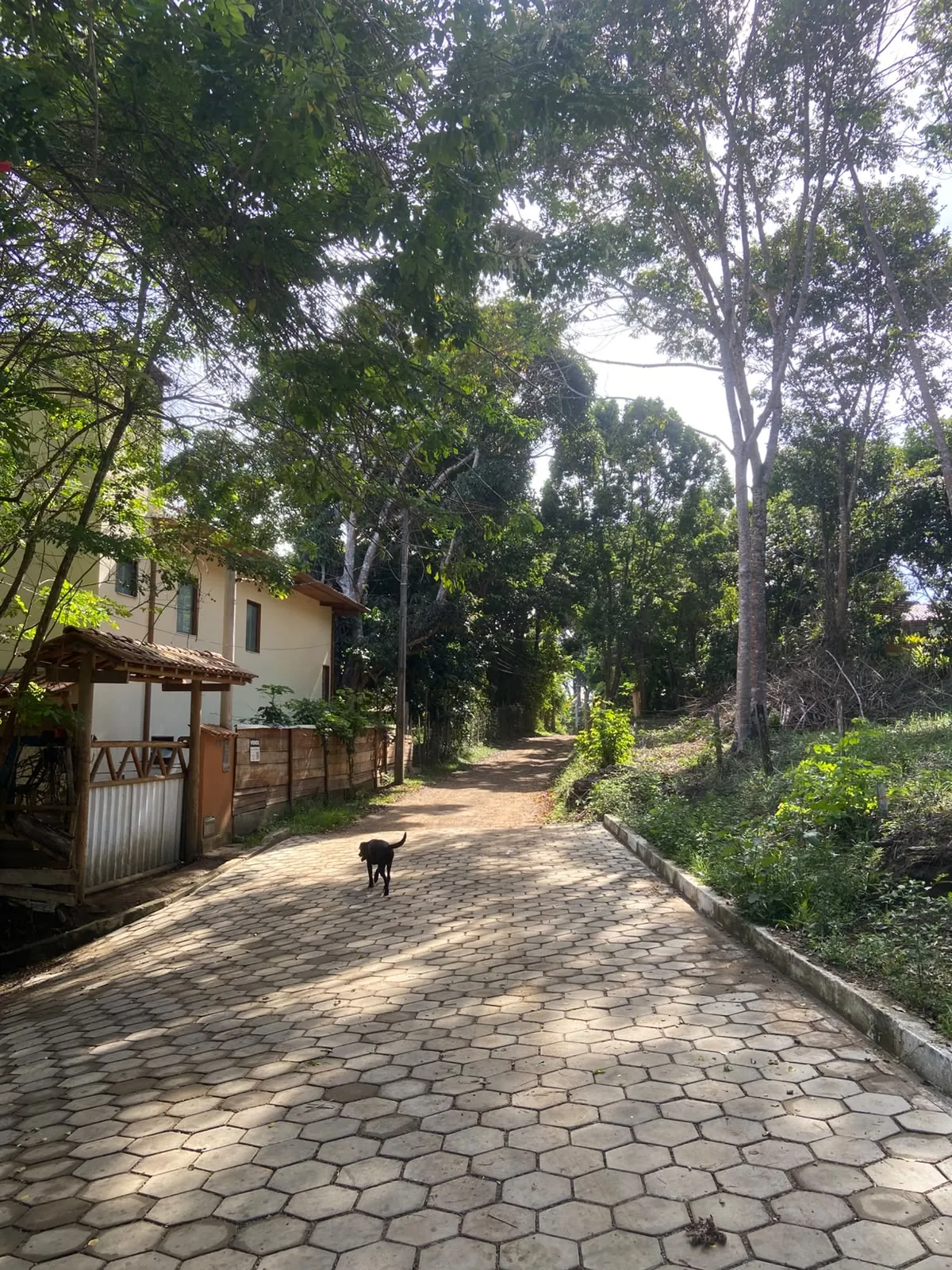
Anyone who drives the BA-001 between Ilhéus and Itacaré can feel the change. Subdivision signs, rural gated communities, new hotels, people from all over Brazil and abroad looking for a piece of land near the sea and the forest. In Serra Grande, plots in Sargi are advertised from R$ 95,000 and are in demand. A single hotel development in the region projects R$ 300 million in sales without revealing whether it sits in Ilhéus or Uruçuca, though it is marketed on a Serra Grande beach.
This movement brings income, jobs and new neighbors, but the change does not always land well. Part of this new profile of residents brings habits from an extremely capitalist and destructive culture: many newcomers from the South and Southeast of Brazil arrive in our region feeling they own the land because they hold a title deed, with no cultural belonging, often straining the harmonious relationships that already exist in the territory.
Long before this land was divided into captaincies, tarefas, farms and plots, there were already families living in the forest, on the beach, by the lake. I am part of that story: I come from the Mattos family, which, since before Água Preta do Mocambo existed, has been building houses, washing clothes, writing books, cooking and sorting cocoa so that Serra Grande could exist today. BioConstrutora builds homes here precisely for that reason: we are the continuation of our ancestors in defense of the land.
But this movement also brings a responsibility that cannot rest only with the government. We are building inside one of the most precious places on the planet.
What is at stake
Much of this corridor lies within the Itacaré/Serra Grande Coast Environmental Protection Area (APA), created in 1993. It covers 62,960 hectares across Ilhéus, Uruçuca and Itacaré, with 28 kilometers of coastline. Next to it is the Serra do Conduru State Park and, further south, the Ponta da Tulha State Park, where researchers recorded up to 458 tree species in a single hectare, the second-highest tree diversity ever measured in the world, behind only the Amazon rainforest.
An APA is not a synonym for prohibition. It is a territory where people can live, farm and welcome tourists, as long as they follow the rules. The state's own environmental agency, Inema, lists the main threats to the area: disorderly occupation, sewage discharged into rivers and beaches, encroachment on Permanent Preservation Areas, deforestation and fires. Almost all of them involve construction in some way.
And the state context weighs in. In 2025, Bahia was the state that lost the most Atlantic Forest in Brazil, according to the SOS Mata Atlântica Foundation.
A decisive moment
The APA's management plan, which defines what can be done in each zone, dates from 1996. It is being revised with the participation of residents, rural workers, quilombola communities, researchers, city halls and environmental agencies. Among the pressures raised in the workshops are disorderly urban growth, housing projects and high-end tourism developments.
That means the rules that will guide the coming years of construction in the region are being written now. Those who build here should be part of that conversation, not to loosen the rules, but to show that it is possible to follow them and still build beautiful, accessible and viable homes.
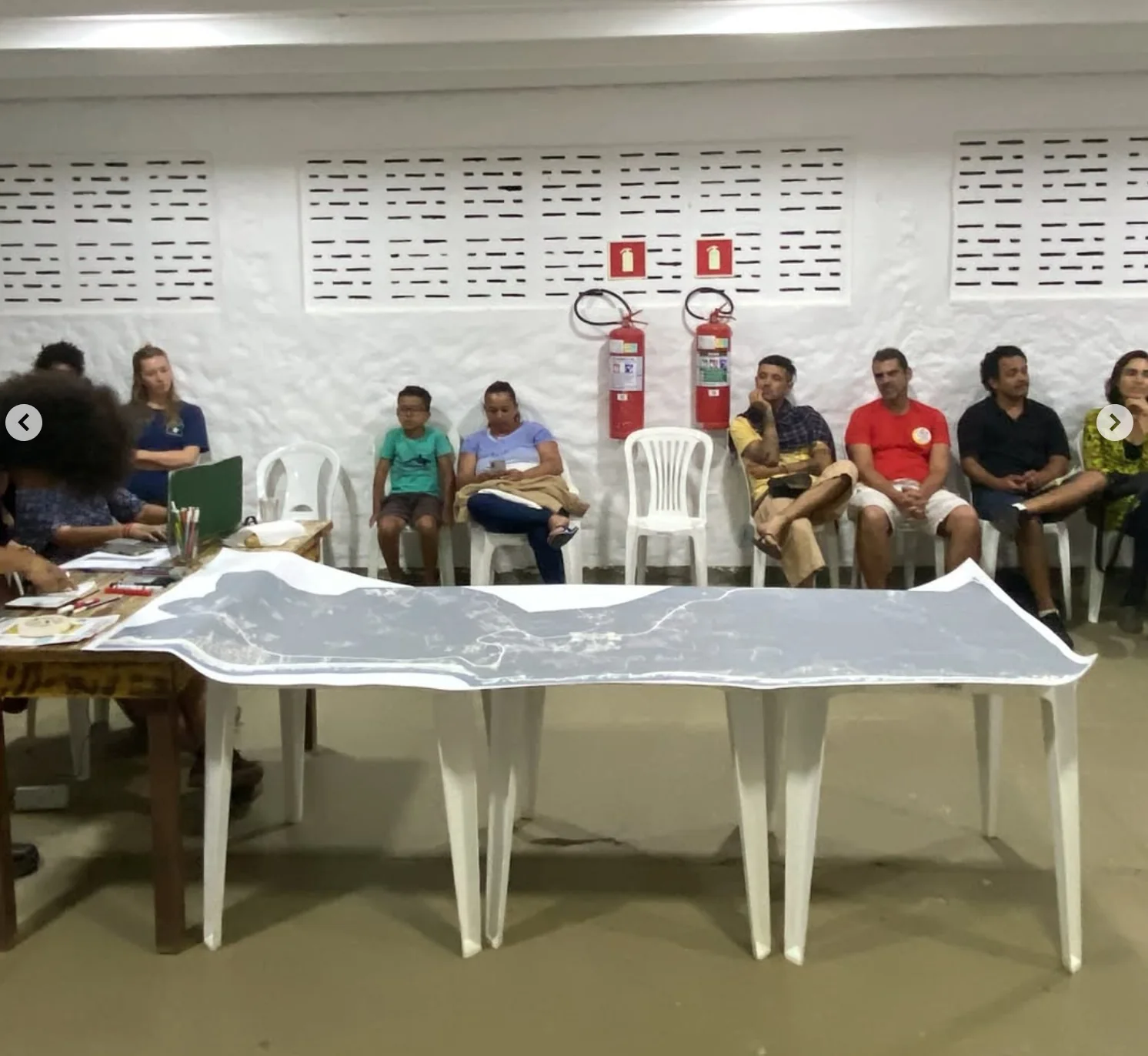
I speak about this debate from the inside. I took part in the review of the Serra Grande Master Plan, which discusses how the district will grow in the coming years. The experience showed me that land-use planning only works when those who build sit at the table with residents, traditional communities and the government — and listen before they propose.
Building well starts before the build
At BioConstrutora, the Intelligence area, led by Clarice Maxado, takes care of exactly what comes before the building site. And that is where most problems are either born or avoided. For anyone thinking about buying a plot or building between Itacaré and Ilhéus, I suggest five questions:
- Is the land properly registered? Up-to-date paperwork and, where applicable, the rural environmental registry (CAR) protect both the buyer and the territory.
- Which APA zone is it in? Each zone has its own occupation rules. It is worth consulting the environmental agency before signing anything.
- Is there a river, spring or forest on the plot? Permanent Preservation Areas are no place for a house, a pool or a deck. They are what gives the place its value.
- Where does the sewage go? Many areas have no sewer network. Solutions such as the biodigester, which we use in our builds, treat sewage on the property and keep it from reaching the river and the beach.
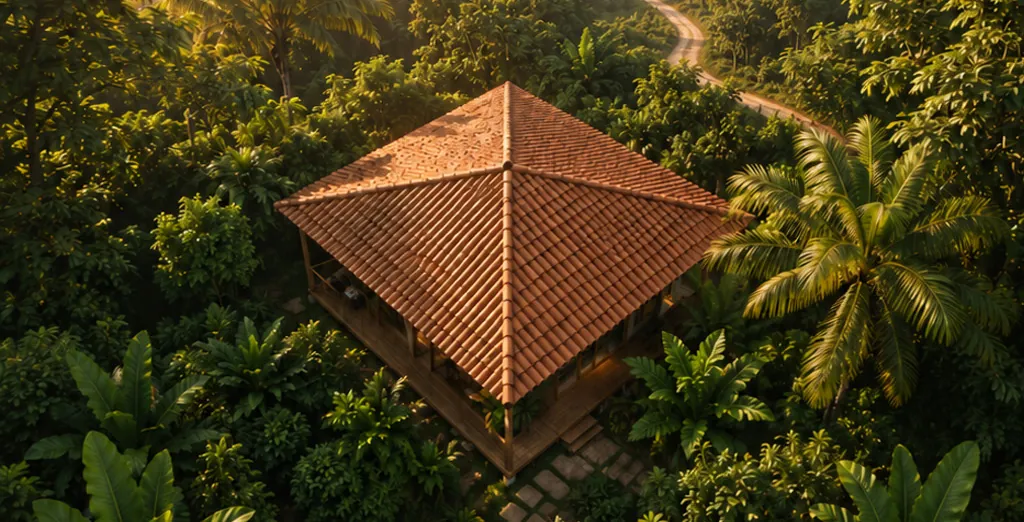
- How much of the land does the house need to take up? A home raised off the ground, with less cutting and filling, preserves natural drainage and the existing trees.
None of these questions makes the build more expensive. Quite the opposite: what is expensive is the fine, the work stoppage, the moldy house, the land that cannot be sold later.
An advantage, not an obstacle
Some see environmental law as a brake on the region's development. I see the opposite. People come here because of the forest, the clean rivers, the beaches without high-rises. If growth destroys that, it also destroys the reason we are here — and the value of every property.
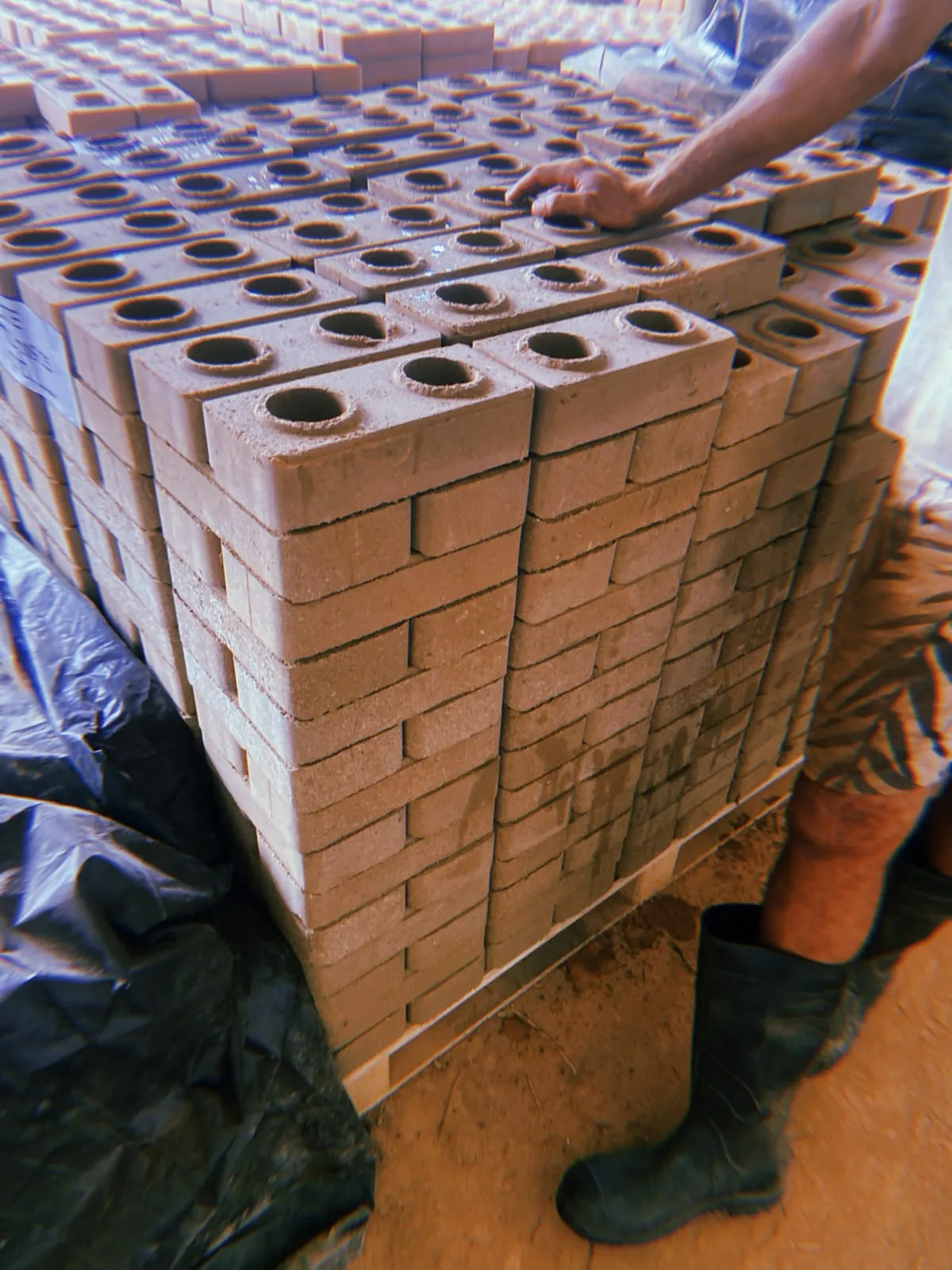
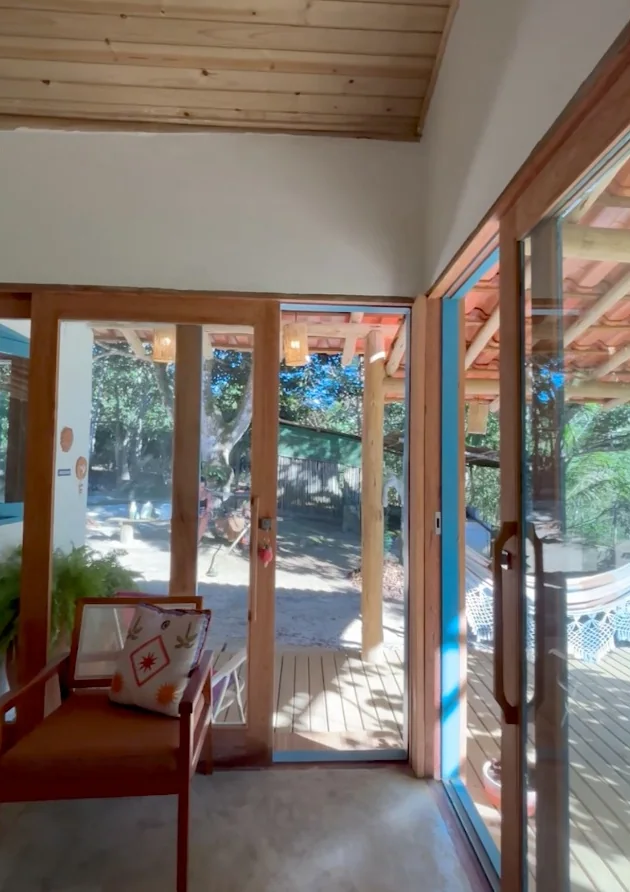
The cabruca, which has produced cocoa in the shade of the forest for centuries, proves that southern Bahia knows how to create wealth with the forest standing. Construction can follow the same path: earth bricks, clay roof tiles, houses that barely touch the ground, treated sewage, trees kept in place.
I learned from Clarice that leadership also means knowing how to say “not here” to a client, to a plot, to a shortcut. That is how trust is built, and that is how nature is respected.
The corridor between Itacaré and Ilhéus will keep growing. The question every builder, broker, buyer and public official needs to ask is simple: twenty years from now, will people driving the BA-001 see a forest with houses, or houses where there used to be a forest?
Tainan Mattos is a designer and bio-builder, executive director of BioConstrutora and creator of the Casa na Árvore (Tree House) project. He lives in Serra Grande, in southern Bahia.